

How Long Does Invisalign Take to Fix Overbite?
If your top teeth sit too far over your bottom teeth, chewing can feel awkward, your jaw can ache, and your teeth can wear faster than they should. Invisalign can correct many overbites with clear, removable aligners that nudge teeth and bite into a better position. The big question: how long does it take? For most patients, plan on 6 to 18 months, with the exact timing shaped by your bite, your biology, and how consistently you wear the aligners.
At Longwood House, we keep the plan simple, personal, and honest so you know what to expect from day one.
What is an Overbite?
An overbite occurs when the upper teeth extend too far over the lower teeth, resulting in an overlap. While it’s a normal part of some people’s dental development, when it’s too severe, it can cause several issues, including:
- Jaw pain: Overbite can put pressure on the jaw and lead to discomfort or even temporomandibular joint (TMJ) disorder.
- Tooth wear: Misalignment of teeth can cause unusual wear on tooth enamel, leading to sensitivity or damage.
- Speech issues: In severe cases, an overbite may affect speech clarity, particularly during certain sounds.
- Chewing problems: An improper bite can make it difficult to chew food properly, affecting your overall eating experience.
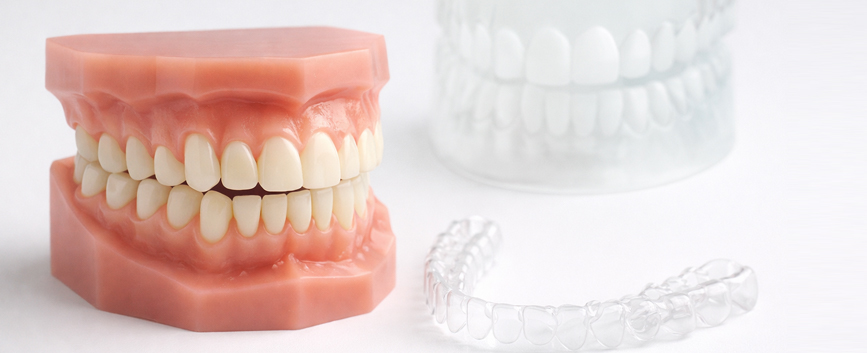
While traditional braces have been the go-to option for correcting overbite, Invisalign offers a modern, discreet alternative, using clear aligners that gradually shift your teeth into alignment without the metal brackets and wires.
How Does Invisalign Work to Fix an Overbite?
Invisalign uses a series of clear plastic aligners that are custom-made to fit over your teeth. Each aligner is designed to move your teeth and correct misalignment over time gradually. For overbite correction, the aligners work by shifting both the upper and lower teeth, ensuring they fit together properly, which will also help adjust your bite.
Here’s how the Invisalign process works:
- Custom Treatment Plan: During your initial consultation, the dentist will take 3D scans of your teeth to map out a personalised treatment plan. These scans allow us to see the current position of your teeth and predict how they will shift with each aligner set.
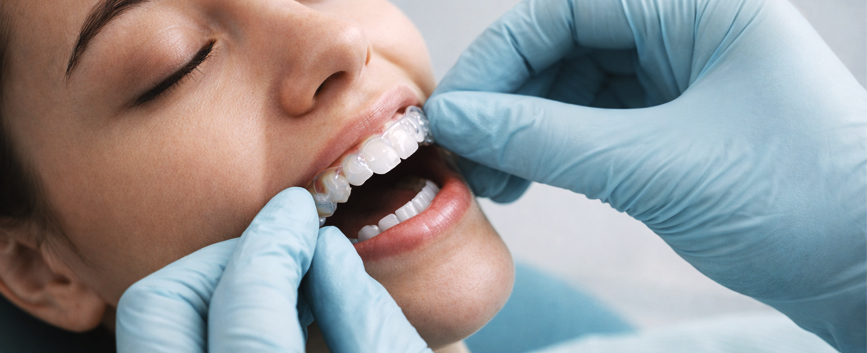
- Aligner Series: Invisalign works through a series of aligners, which you wear for about 20-22 hours a day, only removing them for eating, drinking, and brushing. Each aligner is designed to move your teeth in small increments, and you’ll switch to a new aligner every 1-2 weeks as your teeth progress.
- Gradual Movement: The clear aligners gradually shift your teeth into place, correcting the overbite over time. Your dentist will monitor your progress and ensure that the treatment is progressing as planned. Most patients wear Invisalign aligners for a period of 6 to 18 months.
- Final Stages: Once your overbite is corrected, the dentist may suggest a retainer to help maintain your new bite and prevent teeth from shifting back to their original position.
How Long Does Invisalign Take to Fix Overbite?
The duration of Invisalign treatment for fixing an overbite can vary based on several factors. On average, treatment may take anywhere between 6 months to 18 months, but this timeline can change depending on the following factors:
1. Severity of the Overbite
The most significant factor affecting the treatment time is the severity of the overbite. For mild overbites, Invisalign treatment can work quickly, often taking around 6 to 12 months. However, for severe overbites, the process may take longer, closer to 18 months or more. The more complex the misalignment, the more aligners and time it will take to achieve the desired result.
2. Age of the Patient
Age plays an important role in how quickly Invisalign works. Younger patients, especially those with growing jaws, may see faster results compared to adults whose jawbones are already fully developed. Since younger patients may have more flexible teeth and bones, they tend to experience quicker movement and faster treatment times.
3. Compliance with Treatment
One of the most important aspects of Invisalign treatment is patient compliance. To see the best results in the shortest time, patients must wear their aligners for 20-22 hours a day. If aligners are not worn as prescribed, it can delay the treatment, extending the overall treatment time. Your dentist will provide guidance on how to care for and wear your aligners correctly to ensure the fastest results.
4. Dental Health
The overall health of your teeth and gums can also affect treatment duration. Patients with gum disease or other dental issues may need to address these problems before starting Invisalign treatment, which could delay the overall timeline. It’s essential to have healthy teeth and gums before beginning Invisalign to ensure the treatment proceeds as planned.
How to Speed Up the Invisalign Process
Although Invisalign is already a quicker and more comfortable option than traditional braces, there are ways to speed up the process:
1. Wear Your Aligners as Instructed
The key to success with Invisalign is consistency. Wearing your aligners for the recommended 20-22 hours per day ensures the teeth are moving as planned and keeps the treatment on track.
2. Keep Up with Regular Appointments
Frequent check-ups with your dentist in Ilford are essential. These appointments allow the dentist to track your progress, provide new aligners, and make any necessary adjustments to the treatment plan. Regular appointments can help avoid delays.
3. Use AcceleDent or Invisalign Attachments
Some patients may benefit from AcceleDent, a device that uses gentle vibrations to help speed up tooth movement. Your dentist may also recommend Invisalign attachments (small, tooth-colored buttons) to help the aligners grip certain teeth more effectively, making the treatment process faster.
4. Maintain Good Oral Hygiene
A healthy mouth will promote quicker results. Brushing and flossing regularly to prevent cavities, gum disease, and plaque buildup can help avoid treatment delays.
Benefits of Invisalign for Fixing Overbite
- Discreet Treatment: Invisalign aligners are clear and nearly invisible, making them an ideal choice for adults who want to avoid the aesthetic drawbacks of metal braces.
- Comfort: Invisalign aligners are made of smooth plastic, which is much more comfortable than traditional braces, as there are no wires or brackets to irritate the gums.
- Removable: Unlike traditional braces, Invisalign aligners can be removed when eating, drinking, brushing, or flossing, allowing for more flexibility and easier oral hygiene.
- Predictable Results: Using advanced technology and 3D imaging, Invisalign can provide a more predictable and customised treatment plan, giving you more confidence in your results.
How we handle overbite cases at Longwood House
We keep it about you. A careful exam, digital scans, and an honest conversation about goals and timelines. We explain whether aligners alone are enough, or if attachments or elastics will speed and steady the correction. You get a written plan with expected duration, review points, and fees that include retainers and aftercare. If monthly payments help, we can introduce you to Tabeo finance, subject to status.
Frequently Asked Questions (FAQs)
How long does it take for Invisalign to fix an overbite?
On average, Invisalign treatment for an overbite can take 6 to 18 months, depending on the severity of the case and patient compliance.
Is Invisalign painful when fixing an overbite?
While Invisalign aligners may cause mild discomfort or pressure when you switch to a new set, the treatment is generally more comfortable than traditional braces.
Can Invisalign fix severe overbites?
Yes, Invisalign can correct both mild and severe overbites, although more complex cases may take longer to treat.
How much does Invisalign cost for fixing an overbite?
The cost of Invisalign treatment depends on the severity of the overbite. During your consultation at Longwood House Dental Care, we will provide an estimate and discuss payment options.
Can I eat with my Invisalign aligners?
No, Invisalign aligners should be removed when eating or drinking. They should be worn for at least 20-22 hours a day to ensure the treatment progresses as planned.