
Pregnancy and Your Smile: What Changes, What’s Safe, What Can Wait
Pregnancy and Your Smile
Pregnancy changes so much: your energy, your sleep, your appetite, your body. Your mouth changes, too.
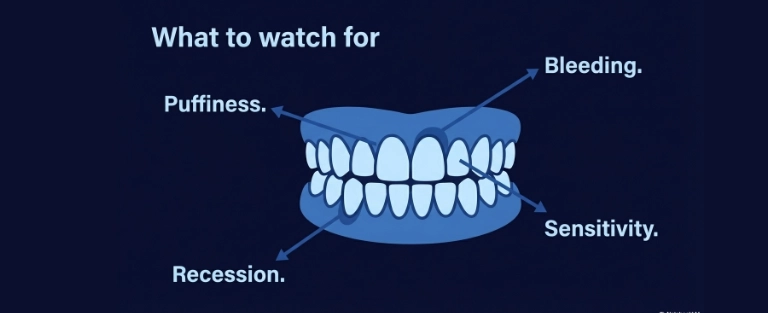
A lot of women notice their gums bleeding more easily, feeling puffier, or becoming more sensitive than usual. That can feel unsettling, especially if your teeth and gums were never “an issue” before. The good news is that this is common, and it is one of the reasons the NHS encourages looking after your teeth and gums during pregnancy, not putting dental care on hold.
At Longwood House Dental Care, we think this topic deserves calm, practical information. Not scare tactics, not vague reassurance, just honest guidance about what changes in pregnancy, what treatment is generally safe, and what is often better saved for later.
Why pregnancy can affect your teeth and gums
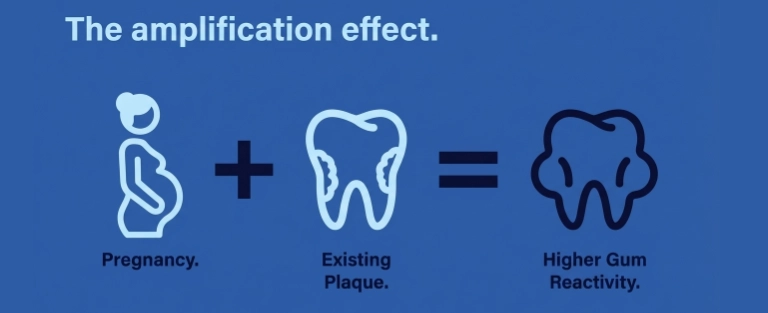
Pregnancy does not automatically cause dental disease, but it can make your gums more reactive to plaque. That is why some women experience swollen, red, or bleeding gums even if they have not changed their brushing habits. It is very important to keep teeth and gums healthy during pregnancy and to see a dentist for cleaning and support if gum problems appear.
You might notice bleeding when brushing, tenderness along the gumline, breath that does not feel as fresh as usual, or gums that look a little puffy. If gum disease becomes more advanced, there can also be recession or teeth that feel less stable. Swollen, sore gums and bleeding are key symptoms, and pregnancy can make these signs more noticeable.
Periodontal disease in pregnancy: why we take it seriously
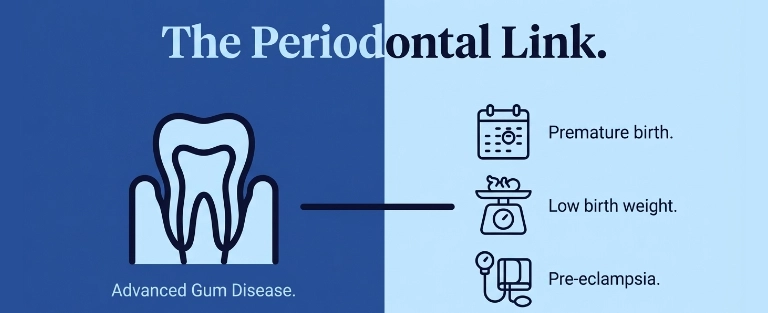
Periodontal disease is the more advanced stage of gum disease. UK periodontal guidance notes that scientific studies have shown connections between gum disease in pregnancy and adverse outcomes such as premature birth, low birth weight, and pre-eclampsia. That does not mean every woman with bleeding gums will have complications, but it does mean gum health deserves attention during pregnancy.
The important distinction is this: pregnancy does not create gum disease from nowhere. What it can do is make existing plaque-related problems easier to trigger and easier to worsen. That is why bleeding gums are not something to ignore and “deal with later”. They are usually your mouth asking for a little more help now.
Is dental treatment safe during pregnancy?
In general, yes.
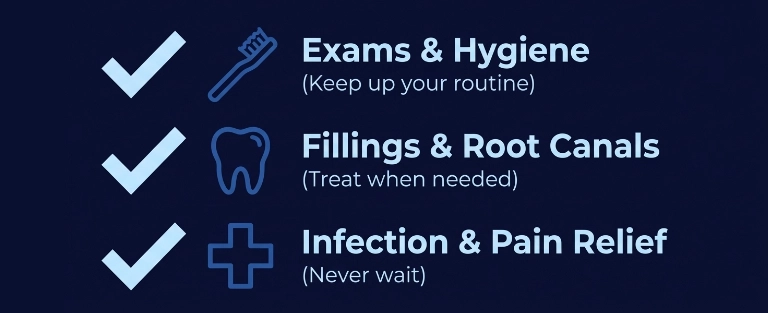
Dentists will only offer treatment if it is safe to do so. Preventive care matters, and urgent problems should not be left, because pain and infection are not harmless simply because you are pregnant.
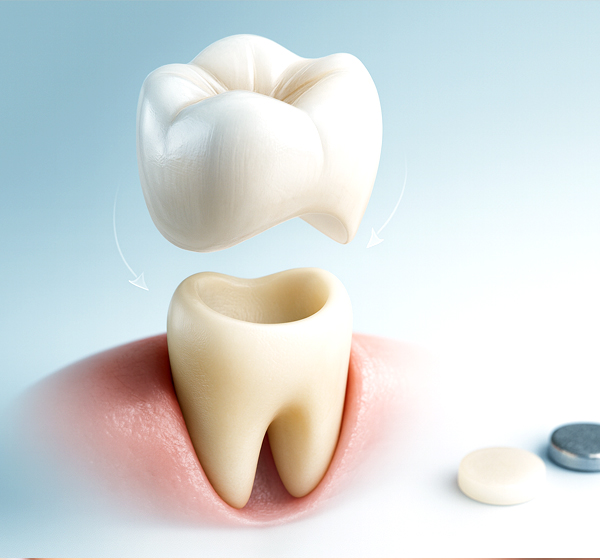
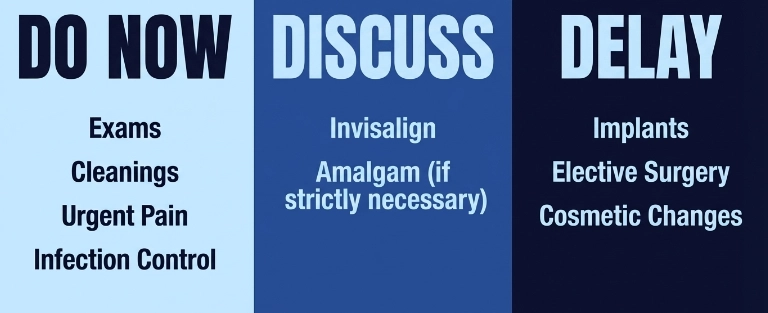
That means exams, hygiene visits, and necessary treatment are usually very much on the table. Fillings, root canal treatment, and crowns are often carried out when needed. Many dentists find the second trimester the most comfortable time for non-urgent treatment, but if you have swelling, infection, or significant pain, it is usually better to deal with it than to wait for months.
If your pregnancy is high-risk, or if there are medical complications, we can liaise with your wider maternity team so that treatment feels joined up and sensible.
Implants are usually something we plan later
When it comes to dental implants, the question is usually less about whether they are technically possible and more about whether pregnancy is the right moment to start.
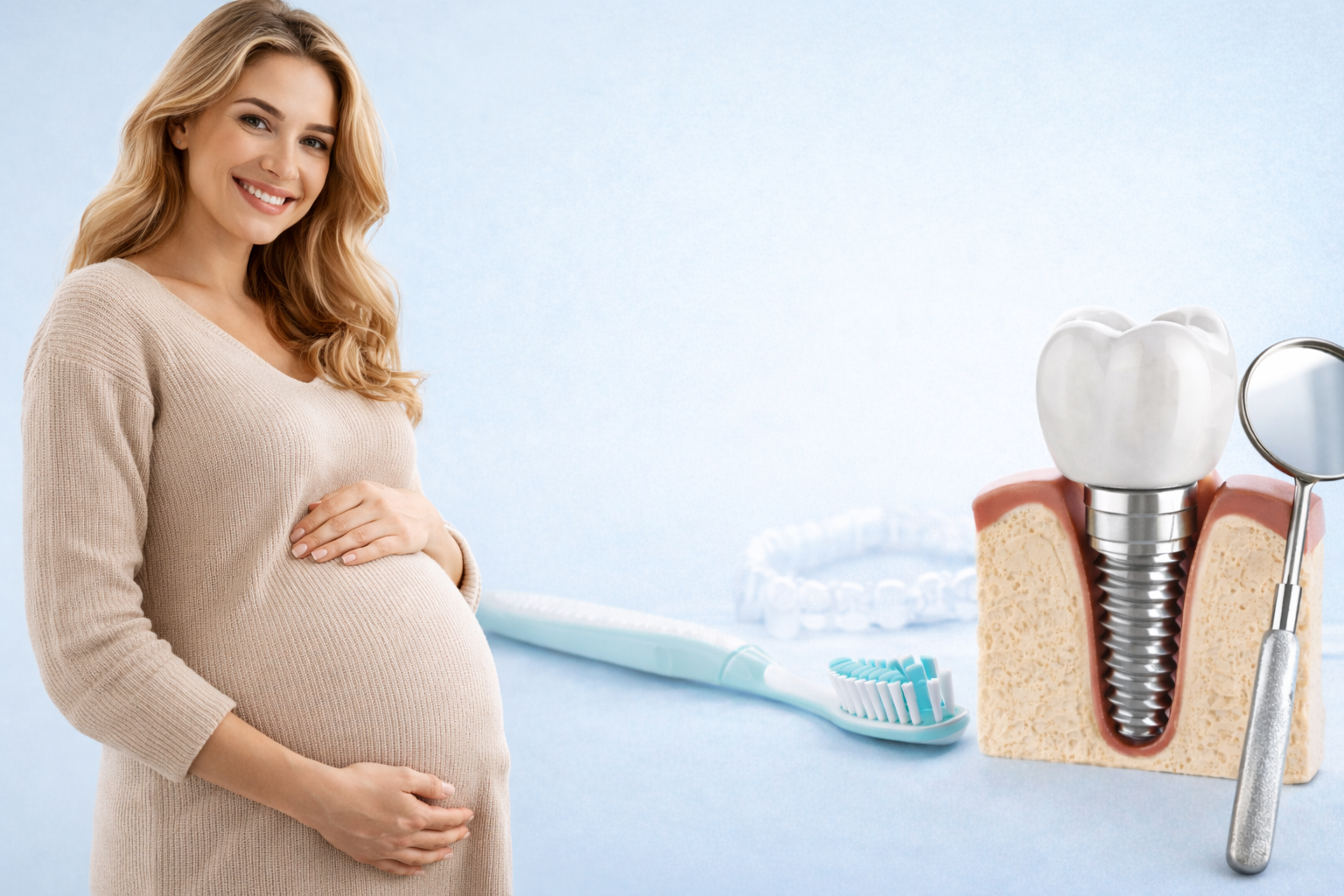
In most cases, implant placement is not the first choice during pregnancy because it is a surgical procedure and often involves planning scans, healing time, and sometimes medication choices that are simply easier to manage after delivery. If replacing a missing tooth is not urgent, many dentists prefer to postpone implant surgery until after the baby is born. This is in keeping with the general principle of treating what is necessary now and delaying elective procedures when there is no clear benefit to doing them during pregnancy.
That said, if you already have an implant, pregnancy does not mean it needs to be removed. Existing implants generally just need the same thing everything else in your mouth needs, careful cleaning and a close eye on gum health.
Invisalign in pregnancy can be a practical option for many women
A lot of women ask about Invisalign during pregnancy, especially if they had already been thinking about straightening their teeth before conceiving, or had planned to start treatment around the same time.
One of the advantages of Invisalign is that the aligners are removable. That makes them more flexible than fixed braces for many pregnant patients. You can take them out to eat, brush, floss, and manage day-to-day comfort more easily. There is no UK guidance saying that clear aligners are unsafe in pregnancy or breastfeeding, so for many women, Invisalign can still be a very reasonable option.
If your mouth is healthy and you feel comfortable managing the aligners properly, treatment can often be started or continued during pregnancy. In fact, some women prefer Invisalign at this stage because it is discreet, easier to keep clean than fixed braces, and can fit more easily around changing routines.
What can make things less straightforward is not the aligner itself, but pregnancy symptoms such as nausea, a stronger gag reflex, dry mouth, sore gums, or simple tiredness. For some women, that is manageable. For others, it makes more sense to wait. The key is not a blanket yes or no, but choosing what feels realistic and comfortable for you.
For breastfeeding, the same common-sense approach applies. Routine dental care is still possible, and removable aligners are generally not treated as a specific concern. So if you are considering Invisalign after birth, that can often be a practical time to begin too.
Amalgam fillings: what matters in the UK
This is one area where wording matters.
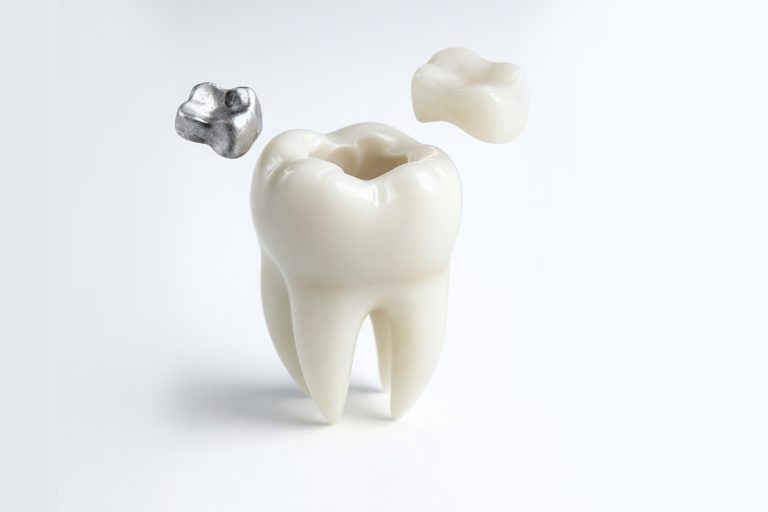
In the UK, the use of dental amalgam is restricted in pregnant and breastfeeding women, except where the dental practitioner considers it strictly necessary based on the patient’s specific medical needs. That restriction is set out in UK legislation and reflected in UK patient guidance.
So the calm, accurate way to say it is this:
When treatment can be planned, many dentists prefer non-amalgam options during pregnancy and breastfeeding. Composite or other mercury-free alternatives are often the first thought if they are clinically suitable. But this does not mean every existing silver filling needs to be removed, and it does not mean amalgam is “never allowed” in any circumstance. The legislation specifically leaves room for cases where it is considered strictly necessary.
Breastfeeding and dental care
Breastfeeding women can usually carry on with routine dental care. Cleanings, check-ups, and many common treatments remain possible. If medication is needed for pain relief or infection, it should be checked carefully for breastfeeding compatibility, but the wider principle stays the same: good oral health still matters, and treatment should be planned sensibly, not avoided by default.
Elective procedures can often wait if there is no urgency. Preventive care and any treatment needed to manage pain or infection should not be ignored.
The small habits that make the biggest difference
Pregnancy is not the time to aim for perfection. It is time to stay steady.
Brush twice a day with fluoride toothpaste. Clean between the teeth daily. If your gums bleed, do not stop brushing. Tell your dentist how many weeks pregnant you are and what medication you are taking. And if you develop pain, swelling, fever, or signs of infection, seek help promptly.
Common questions about dental care during pregnancy
Is it safe to go to the dentist while pregnant?
Yes. Routine dental care during pregnancy is generally safe and important. Check-ups, hygiene visits, and treatment for pain, decay or gum problems should not usually be put off just because you are pregnant.
Why do my gums bleed during pregnancy?
Bleeding gums are common in pregnancy because hormonal changes can make your gums more vulnerable to plaque, which can lead to inflammation and bleeding, often called pregnancy gingivitis. Common does not mean ignore it; if your gums bleed often, it is worth getting them checked.
Is gum disease dangerous during pregnancy?
Gum disease should be taken seriously in pregnancy. UK periodontal guidance notes link between gum disease and adverse pregnancy outcomes, such as premature birth and low birth weight. That does not mean every sore gum becomes a serious problem, but it does mean early care matters.
Can you have Invisalign while pregnant?
For many women, yes. The aligners themselves are removable, and there is no UK guidance stating that clear aligners are unsafe during pregnancy or breastfeeding. Invisalign can often be continued and, in some cases, started if your mouth is healthy and you feel comfortable managing treatment. What tends to make it harder is not the aligner itself, but pregnancy symptoms such as nausea, dry mouth, sore gums, or tiredness.
Are amalgam fillings safe in pregnancy?
In the UK, new amalgam fillings are generally avoided during pregnancy and breastfeeding unless the dentist considers them strictly necessary. That is why, when treatment can be planned, many dentists prefer non-amalgam options.
Are dental implants safe during pregnancy?
Implants are usually something we plan for later, unless there is a strong reason to act sooner. Because implant treatment is surgical and often involves planning scans and healing time, many dentists prefer to delay it until after pregnancy if it is not urgent.
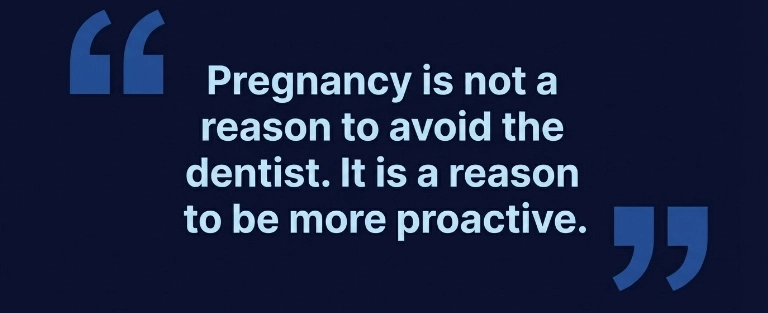
If you are pregnant or breastfeeding and something in your mouth does not feel right, or you simply want to know what is safe to do now and what is wiser to postpone, book a visit and we will talk it through properly. Calmly, clearly, and without making it more complicated than it needs to be.