


What Are the Side Effects of Removing Amalgam Fillings?
Amalgam fillings, commonly referred to as silver fillings, have been a mainstay in dentistry for over a century due to their durability and ability to withstand the pressures of chewing.
Lately, more patients are asking to replace them with tooth-coloured, mercury-free options for comfort or appearance. Removal is generally safe, but it helps to know the possible side effects and how we keep them to a minimum.
At Longwood House Dental Care in Ilford, our goal is clear, accurate information so you can decide with confidence.
What Are Amalgam Fillings?
Dental amalgam is a set metal alloy made from silver, tin and copper with a small amount of mercury that binds the metals when it hardens. It is durable, wear-resistant, and usually cost-effective, which is why it has been used for more than a century.
The drawback is the grey colour, especially noticeable near the front. There is also ongoing debate about mercury in amalgam, so some patients choose to have it replaced.
What Are the Side Effects?
1. Mercury Exposure During the Removal Process
Amalgam contains roughly 50% mercury in a stable form. When we section and lift it out, small amounts of vapour can be released. Inhaling vapour is not ideal, which is why we use safety measures to keep exposure low.
2. Tooth Sensitivity
After removal, the tooth can feel sensitive to hot or cold, especially if the original filling was deep. This is common and usually settles within days as the nerve calms.
3. Gum Irritation
If the filling sits close to the gum, the area may feel a little sore or puffy for a short time. Good cleaning and simple salt-water rinses help it settle quickly Maintaining good oral hygiene during the healing period can help minimize irritation.
4. Risk of Tooth Damage
Very large or old fillings can hide cracks. Once the metal is out we may see that the tooth needs extra support. Sometimes a ceramic onlay or a dental crown is the sensible next step to prevent future fractures.
5. Infection Risk
It is rare, and we keep the risk low by isolating the tooth, working cleanly, and sealing the new restoration well. If discomfort increases rather than eases, we review and put things right.
6. Aesthetic Concerns
Most patients replace grey fillings with white composite or ceramic so the tooth blends with the smile. Shade matching and a good polish are key; we plan this so the result looks like it belongs.
How to Minimise the Risks of Removing Amalgam Fillings
The side effects of removing amalgam fillings can be minimised with the right approach and techniques. Here’s how you can reduce the risks and ensure a safe and smooth procedure:
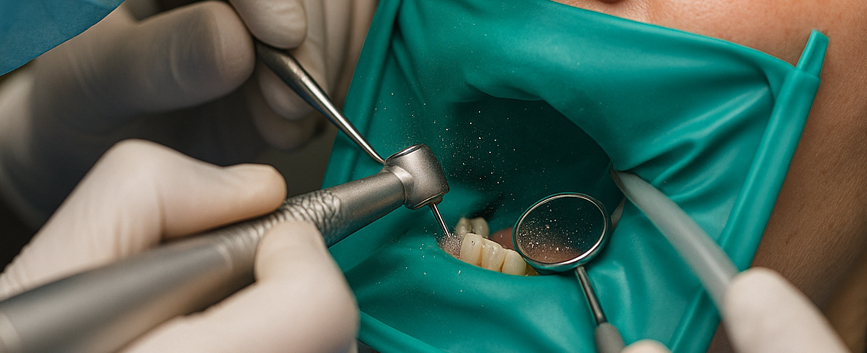
- Choose a clinician who follows safe steps. At Longwood House, we isolate the tooth with a rubber dam, use high-volume suction and a cool-water spray, and remove the amalgam in sections to reduce heat and aerosol. The surgery is well ventilated. These measures keep vapour down and the field clean..
- Use Safe Removal Techniques: The safest way to remove amalgam fillings is through a biocompatible approach that limits mercury exposure. Techniques include isolating the tooth with a dental dam, using suction systems, and working in a well-ventilated area.
- Consider a Replacement Option: Small to medium cavities usually suit a bonded composite. Larger biting surfaces often do better with a ceramic inlay or onlay. If the tooth is weak or cracked, a crown restores full coverage. We explain the options and agree on the plan before we start.
- Follow Post-Treatment Care: After the procedure, your dentist will provide aftercare instructions. Chew on the other side while you are numb, then keep food soft for the first day. A sensitive-care toothpaste helps if the nerve is reactive. Clean gently along the edges with floss or small interdental brushes. If sensitivity lingers or worsens after a few days, tell us so we can check the bite and the seal.
How we handle amalgam removal at Longwood House
- Safety first, isolation, strong suction, cool water, calm technique.
- Clear choices, composite, ceramic onlay, or crown, depending on the strength needed.
- Comfort and communication, we explain each step, check the bite patiently, and plan shade so the tooth blends with your smile.
- Joined-up care, from the first scan to the final polish and aftercare.
Conclusion: Making the Right Choice for Your Dental Health
Amalgam filling removal is safe when done with care. Knowing the possible side effects and the steps we take to reduce them helps you choose with confidence. The aim is simple: a cleaner seal, better support, and a result that looks and feels natural.
Frequently Asked Questions (FAQs)
What are the side effects of removing amalgam fillings?
The side effects of removing amalgam fillings can include tooth sensitivity, gum irritation, and a minor risk of mercury exposure. However, with proper safety protocols, these risks are minimised.
Is it safe to remove amalgam fillings?
Yes, removing amalgam fillings is safe when performed by a qualified dentist using proper safety measures, such as dental dams and suction systems to minimise mercury exposure.
How long does it take to remove an amalgam filling?
Removing an amalgam filling typically takes around 30 to 60 minutes, depending on the size and complexity of the filling.
Will I need a crown after removing my amalgam filling?
In some cases, if a large portion of the tooth is removed with the amalgam filling, a dental crown may be necessary to restore the tooth’s strength and functionality.
Can I eat after getting my amalgam filling removed?
You should avoid eating for at least 1 hour after the procedure to allow the new filling material to set properly. Avoid hard or sticky foods for the first 24 hours.